

Products mentioned in this post
Quick links to the products we referenced above.
TB
Taylor Bourne
CTO at Gloss Pros and part of the team behind Gloss Pros premium car care products.
Stay updated with the latest trends in car care, professional detailing techniques, product guides, and expert advice to achieve the perfect shine.

The deepest shine, effortlessly.
Quick links to the products we referenced above.
CTO at Gloss Pros and part of the team behind Gloss Pros premium car care products.
Learn the difference between spray wax, ceramic spray, and SiO₂ detailer so you can choose the right product for gloss, slickness, and protection.
Car care products can get confusing fast.
Spray wax, ceramic spray, spray sealant, quick detailer, SiO₂ detailer, ceramic booster — they all promise shine, slickness, and protection. To make it even more confusing, many of them are applied in similar ways.
So are they all basically the same thing?
Not exactly.
Spray wax, ceramic spray, and SiO₂ detailer can all improve the look and feel of your paint, but they are designed for different jobs. Some are better for quick gloss. Some are better for water behavior. Some are meant to maintain existing protection. Others are better as a standalone layer after a wash.
Here is the simple breakdown.
Here is the easiest way to think about it:
Spray wax is usually used for quick shine, slickness, and short-term protection.
Ceramic spray is usually used for stronger hydrophobic behavior and longer-lasting protection than traditional spray wax.
SiO₂ detailer is usually used for maintenance, gloss enhancement, light cleanup, and boosting existing protection.
They can overlap, but they are not always interchangeable.
The right choice depends on what you are trying to do.
Spray wax is one of the most common quick protection products in car care.
It is usually designed to be fast and easy to apply after a wash. You spray it onto the surface, spread it with a microfiber towel, and buff it off.
Spray wax is popular because it can quickly add:
Traditional spray waxes are often built around waxes, polymers, or gloss enhancers. They are great for making paint look freshly detailed without spending hours applying a paste wax or traditional sealant.
The tradeoff is durability.
Spray wax usually does not last as long as modern ceramic sprays, silica sealants, or true ceramic coatings.
Spray wax makes sense when you want a quick shine after a wash.
It is a good fit for:
Spray wax is less ideal if you want stronger chemical resistance, longer durability, or more aggressive water behavior.
If your main goal is easy maintenance and hydrophobic performance, a ceramic spray or silica sealant may be the better choice.
Ceramic spray is a broad term, but it usually refers to a sprayable product designed to add ceramic-like behavior to the surface.
Most people choose ceramic sprays because they want:
Ceramic sprays are not always the same as a true ceramic coating. Some are maintenance sprays. Some are boosters. Some are spray sealants. Some are more durable than others.
The important thing is to pay attention to what the product is designed to do.
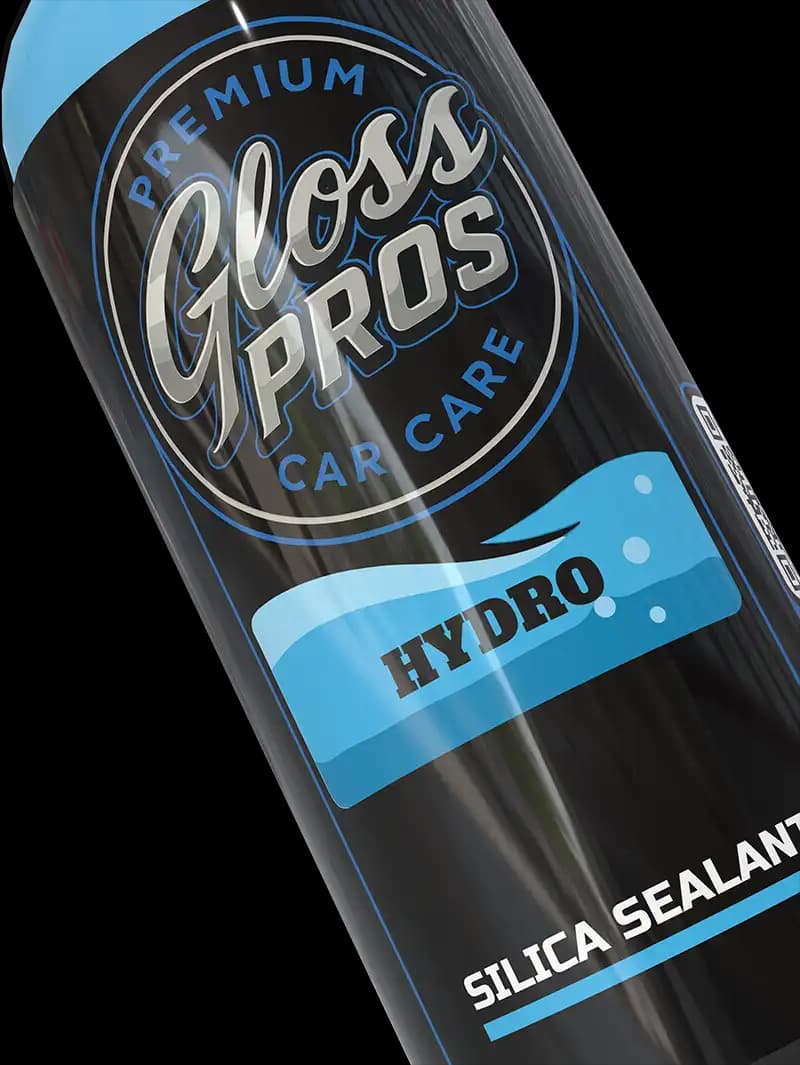
For example, a rinse-off silica sealant like Hydro is designed to be misted or foamed onto a wet vehicle and rinsed off. That makes it a fast way to add gloss, slickness, and water-repelling behavior after a wash.

Ceramic spray or silica spray protection makes sense when you want easier maintenance and stronger water behavior than a basic spray wax.
Use it when:
A product like Hydro is especially useful after a proper wash because it can be applied to a wet vehicle and rinsed away, making it a simple protection step for regular maintenance.
Just remember: ceramic spray is not magic.
It still needs to be applied correctly, and the vehicle still needs to be washed regularly.
An SiO₂ detailer is a quick detail product that includes silica-based protection or enhancement.
SiO₂ stands for silicon dioxide. In car care, SiO₂-based products are commonly associated with slickness, gloss, hydrophobic behavior, and ceramic-style maintenance.
An SiO₂ detailer is usually not meant to replace a proper wash or a true coating. Instead, it is often used for:
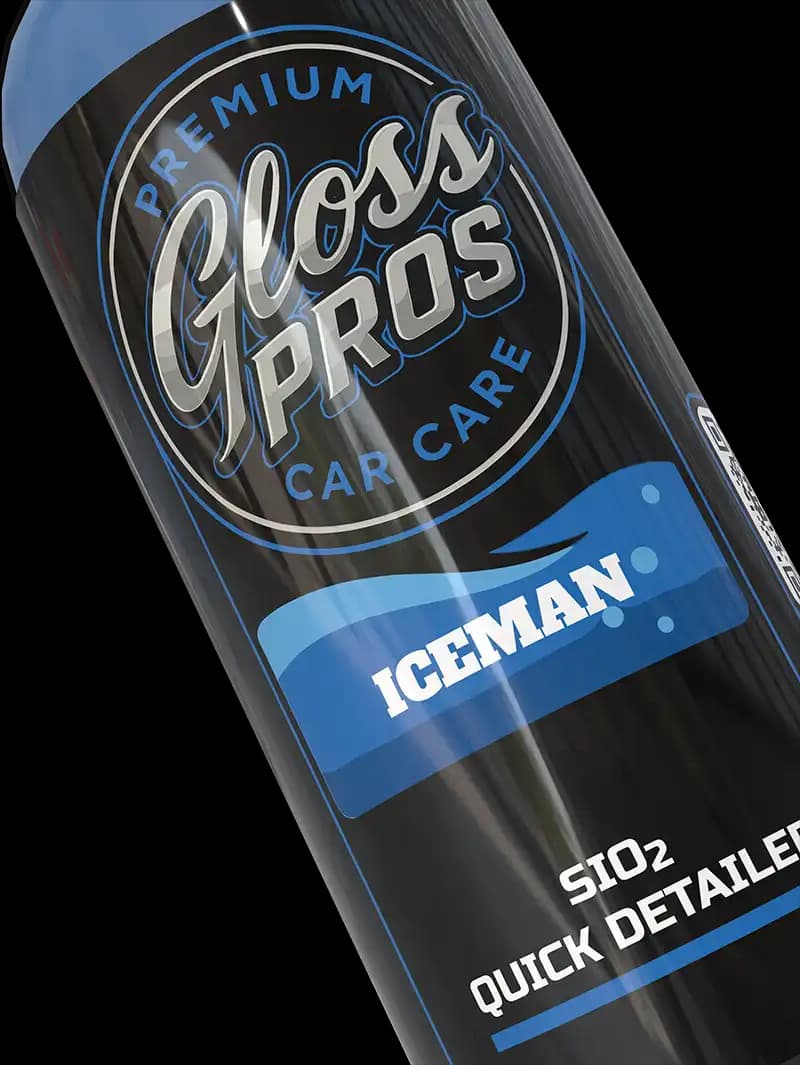
A product like Iceman fits into this category because it is designed as a fast SiO₂ quick detailer that enhances gloss while adding a protective barrier.
An SiO₂ detailer is best when the vehicle is already mostly clean.
Use it after a wash to add gloss and slickness, or between washes when you are dealing with light dust, fingerprints, or smudges.
It is not the right choice for a dirty vehicle.
If the car has heavy dust, road grime, mud, bug splatter, or gritty contamination, wash it first. A quick detailer needs a clean or lightly dusty surface so the towel can move safely without dragging dirt across the paint.
For maintenance, Iceman is a great fit when you want the wipe-on simplicity of a quick detailer with added SiO₂-based gloss and protection.

Not every quick detailer is an SiO₂ detailer.
A traditional quick detailer is often used for light cleanup, fingerprints, dust, and streak-free gloss. It may not be focused on adding protection.
That does not make it less useful. It just means it has a different job.
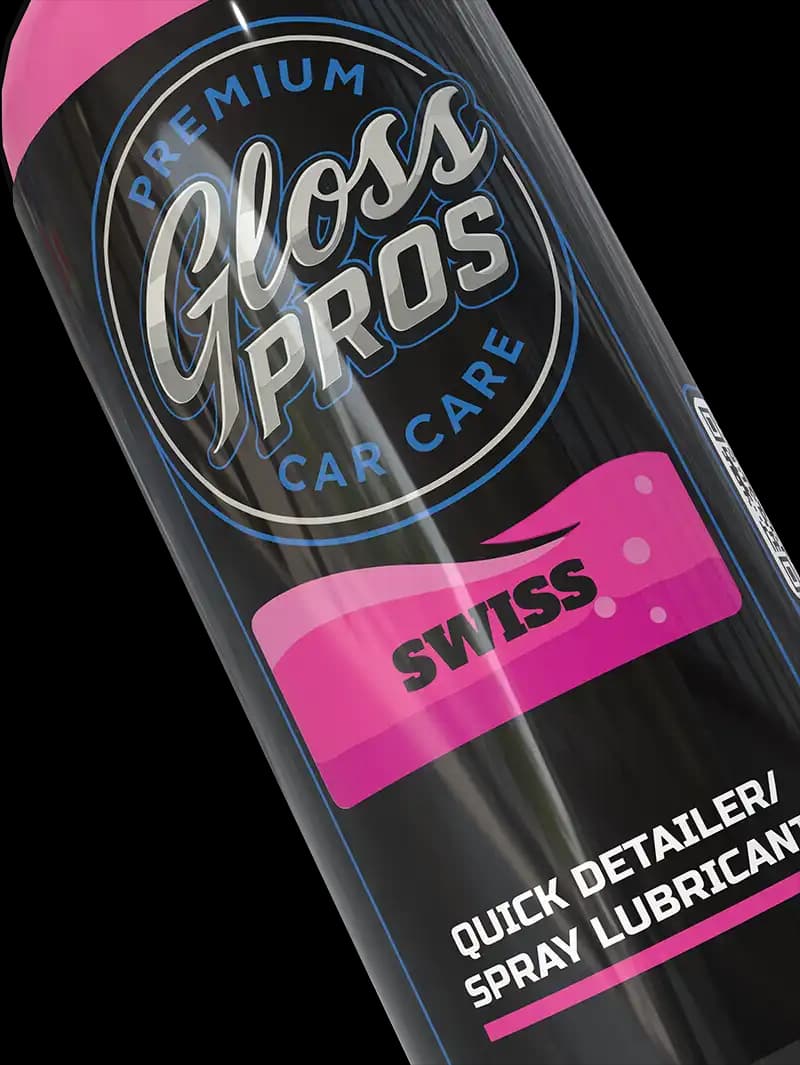
For example, Swiss is a versatile quick detailer and spray lubricant. It is useful for light dust, fingerprints, smudges, water drops, and even clay bar lubrication.
That makes it a great option when you want a clean, streak-free finish and added lubrication, but you do not necessarily need a heavier protection step.
Here is the practical comparison.
Best for quick shine and slickness.
Use it after washing when you want a fast gloss boost and light protection.
Typical strengths:
Typical limitations:
Best for hydrophobic protection and longer-lasting surface behavior.
Use it after washing when you want water beading, water sheeting, slickness, and easier future cleaning.
Typical strengths:
Typical limitations:
Best for quick maintenance with added gloss and slickness.
Use it on a clean or lightly dusty vehicle, especially after washing or between washes.
Typical strengths:
Typical limitations:
No.
This is an important distinction.
A ceramic spray can add protection and hydrophobic behavior, but it is not the same thing as a dedicated ceramic coating.
A true ceramic coating is usually designed to bond more strongly to the surface and provide longer-term protection. It requires more careful preparation, cleaner paint, and more attention during application.
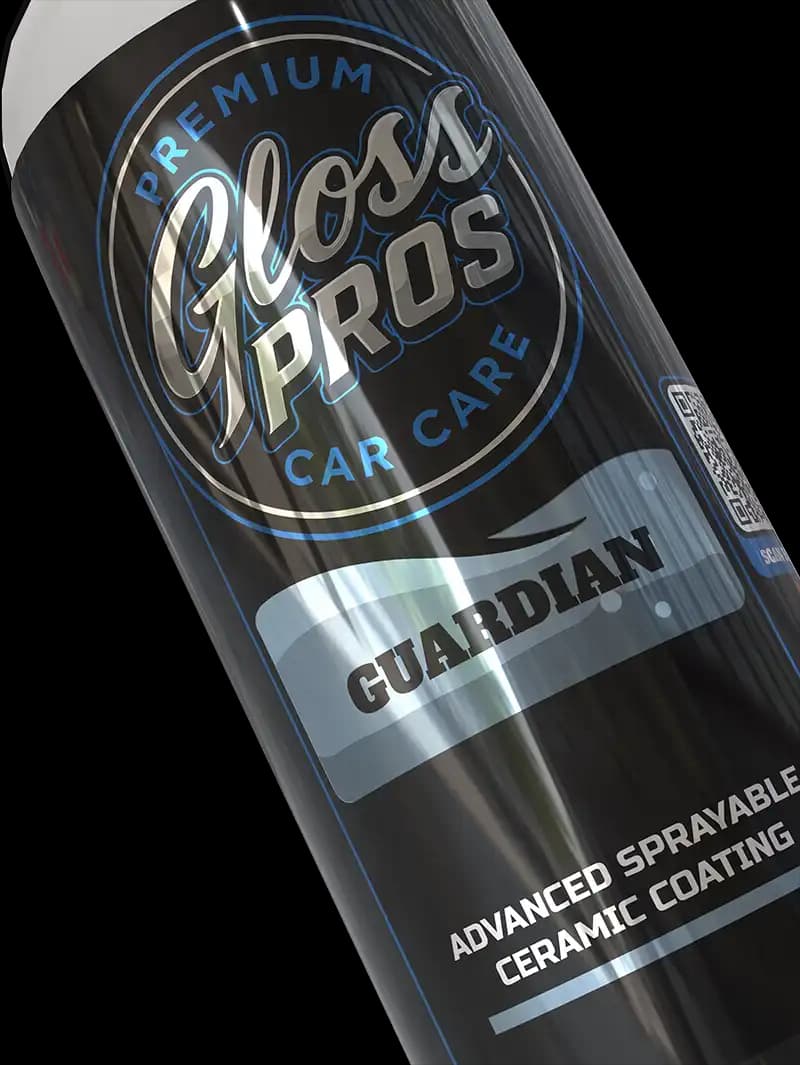
A coating like Guardian is designed for more serious paint protection. A ceramic spray or SiO₂ detailer is better thought of as a maintenance product, booster, or easier protection layer depending on the formula.
The easiest way to think about it:
Yes, but keep it simple.
You do not need to stack every product you own every time you wash your car.
A simple routine is usually better:
If the vehicle has a true ceramic coating, use maintenance products to support it rather than constantly piling on different layers.
More product does not always mean better results. Overapplication can cause streaking, smearing, or uneven finish.

Choose based on the job.
If you want a quick shine after washing, spray wax can work well.
If you want stronger water beading, easier drying, and longer-lasting maintenance protection, use a ceramic spray or silica sealant.
If you want fast gloss, slickness, and light cleanup on a clean vehicle, use an SiO₂ detailer.
If you want a simple Gloss Pros routine, here is an easy setup:
That gives you a full maintenance system without overcomplicating the process.
Quick detailers are not meant to clean heavy grime. If the vehicle is dirty, wash it first.
More product can create streaks, smears, and uneven results. Start light and add more only if needed.
Layering multiple products too often can lead to buildup or inconsistent finish. Keep the routine simple.
Heat can make sprays flash too quickly, which increases the chance of streaking.
Protection works best on clean paint. If the surface is dirty, rough, or contaminated, wash and decontaminate first.
Spray wax, ceramic spray, and SiO₂ detailer all have a place in car care, but they are not the same product.
Spray wax is best for fast shine and light protection.
Ceramic spray is best for stronger water behavior and easier maintenance.
SiO₂ detailer is best for quick gloss, slickness, and maintaining a clean vehicle between washes.
The best choice depends on what your car needs at that moment.
If you want a simple routine, wash properly, protect the surface, and use quick detail products only when the vehicle is clean enough for safe wiping.
That approach keeps your paint looking glossy, slick, and easier to maintain without overcomplicating the process.
Ceramic spray usually offers stronger water behavior and longer-lasting protection than a basic spray wax. Spray wax can still be a good choice for quick gloss and slickness.
Not always. An SiO₂ detailer is usually used for light maintenance, gloss, slickness, and boosting existing protection. A ceramic spray may be designed more as a standalone protection product or coating booster.
Yes, as long as the vehicle is clean and you apply it lightly. Using too much product too often can lead to streaking or buildup, so a light application is usually best.
No. Ceramic spray can add protection and hydrophobic behavior, but it is not the same as a dedicated ceramic coating. A true coating is designed for longer-term protection and requires more careful prep.
For most daily drivers, ceramic spray or silica sealant is usually the better choice because it helps with water behavior, easier drying, and future maintenance. Spray wax is still useful when you mainly want quick gloss.
Only if the vehicle has very light dust, fingerprints, or smudges. If the car has road grime, heavy dust, mud, or gritty contamination, wash it first.