


Products mentioned in this post
Quick links to the products we referenced above.
TB
Taylor Bourne
CTO at Gloss Pros and part of the team behind Gloss Pros premium car care products.
Stay updated with the latest trends in car care, professional detailing techniques, product guides, and expert advice to achieve the perfect shine.

The deepest shine, effortlessly.
Quick links to the products we referenced above.
CTO at Gloss Pros and part of the team behind Gloss Pros premium car care products.
Learn how often you should wash your car based on your driving habits, parking situation, climate, and paint protection.
Ask ten people how often you should wash your car and you will probably get ten different answers.
Some people wash every weekend. Others wait until the car looks dirty. Some daily drivers go months without a proper hand wash, while garage-kept weekend cars may only need occasional maintenance.
So what is the right answer?
For most vehicles, washing every two to three weeks is a solid rule of thumb. But the better answer depends on how the vehicle is used, where it is parked, what climate it lives in, and whether the paint has any protection.
A car parked outside under trees needs a different routine than a garage-kept weekend car. A ceramic coated vehicle still needs to be washed, but it may be easier to maintain. A daily driver in traffic collects contaminants much faster than a show car that only comes out on sunny weekends.
Here is how to build a wash schedule that actually makes sense.
For the average daily driver, washing your car every two to three weeks is usually enough to keep the paint clean and protected.
That schedule helps remove:
The longer these contaminants sit on your vehicle, the more likely they are to stain, etch, or bond to the surface.
The goal is not just to make the car look clean. The real goal is to prevent buildup from becoming harder to remove later.
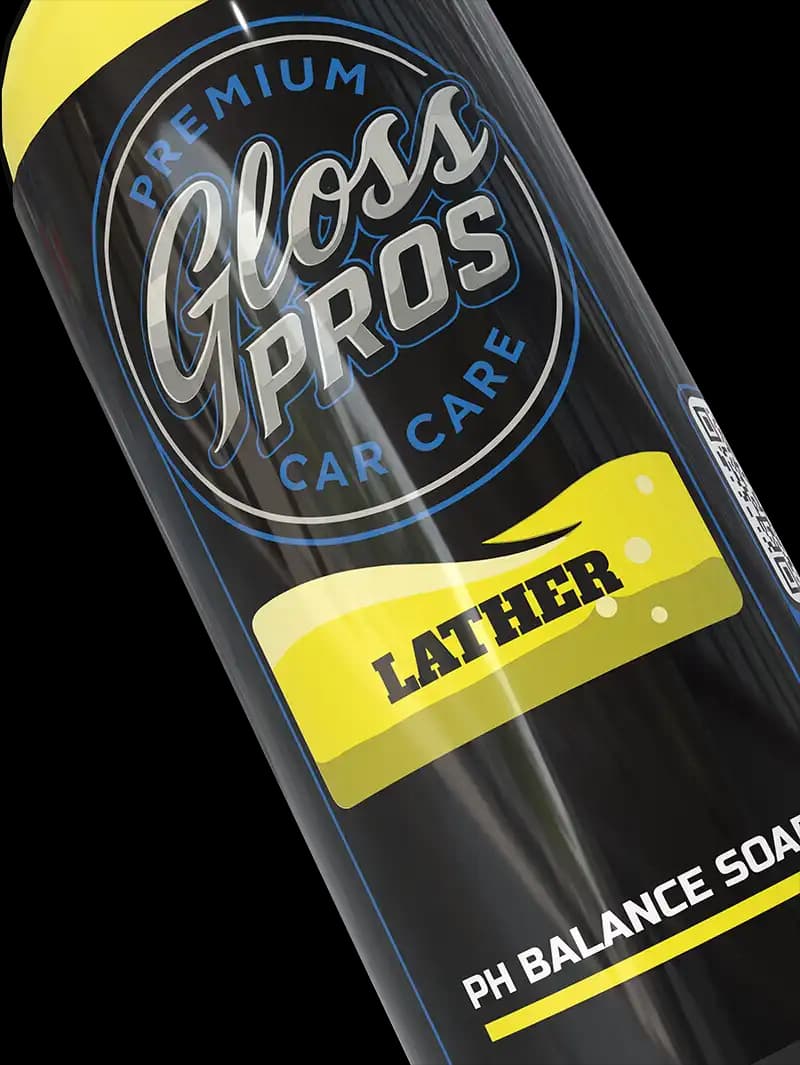
A consistent maintenance wash with a pH-balanced soap like Lather helps remove dirt and grime without aggressively stripping existing waxes, sealants, or ceramic protection.
If you drive your vehicle every day, it is constantly exposed to contaminants.
Even if the car does not look filthy, it is picking up road film, tire sling, brake dust, pollution, oils, dust, and mineral deposits. These layers slowly dull the finish and make the vehicle harder to clean over time.
For most daily drivers, washing every two to three weeks is a good baseline.
If the vehicle is exposed to harsher conditions, move closer to once every one to two weeks.
That includes vehicles that:

Vehicles parked outside usually need more frequent washing than garage-kept vehicles.
Outdoor vehicles are exposed to sun, rain, dust, pollen, bird droppings, sap, hard water, and airborne grime. Even when the vehicle is not being driven, contaminants are still landing on the surface.
Bird droppings and tree sap are especially important to remove quickly. They can stain or etch paint if left sitting too long, especially in direct sun.
If your car lives outside, washing every one to two weeks is a smart maintenance schedule.
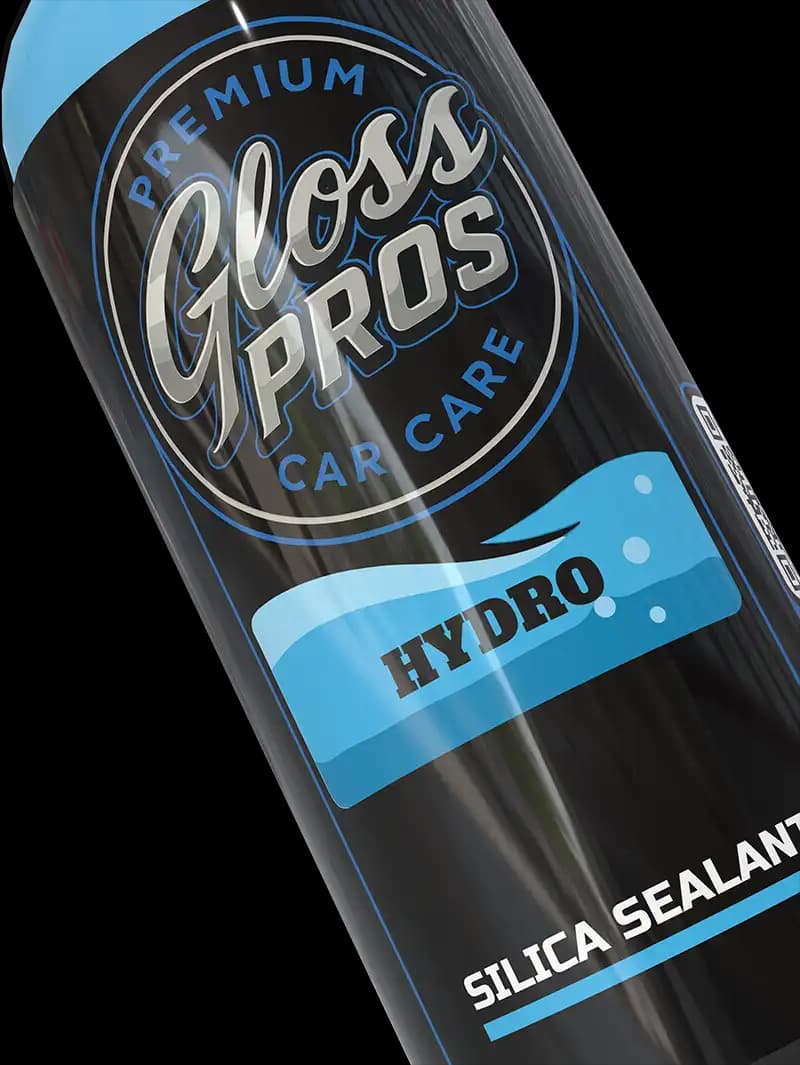
Adding protection also makes a huge difference. A spray-on, rinse-off silica sealant like Hydro can help boost water behavior, gloss, and surface slickness while making future washes easier.
A garage-kept weekend car does not need the same wash schedule as a daily driver.
If the vehicle is only driven occasionally and stored indoors, washing every three to four weeks may be enough. In some cases, you may not need a full wash every time.
However, dust still matters.
One of the biggest mistakes people make with clean-looking garage cars is wiping dust off with a dry towel. That can drag fine particles across the paint and create light scratches or swirl marks.
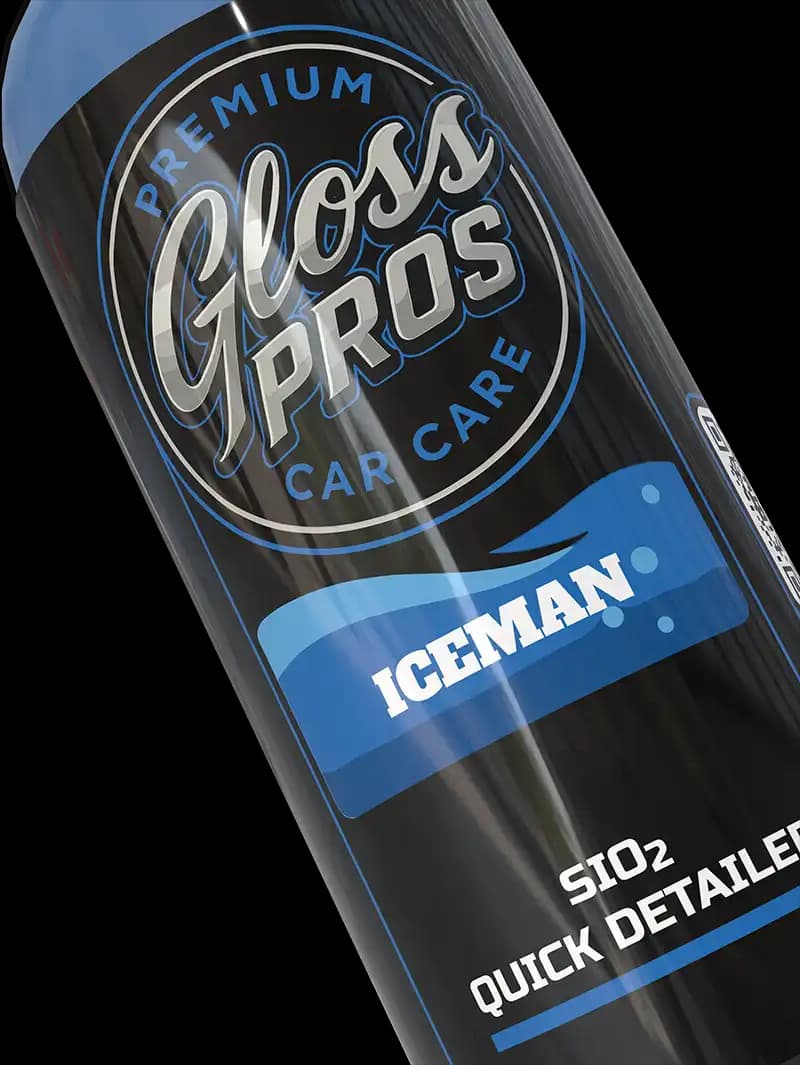
If the vehicle only has light dust, fingerprints, or smudges, a quick detailer can be the better choice. Iceman is useful for light maintenance because it adds gloss and slickness while helping safely wipe away minor dust and fingerprints.
If the car is truly dirty, skip the quick wipe-down and do a proper wash instead.
A ceramic coating does not mean your car is self-cleaning.
This is one of the most common misunderstandings in car care.
Ceramic coatings make vehicles easier to wash. They help water bead, improve slickness, and reduce how strongly dirt bonds to the surface. But dust, brake dust, pollen, water spots, bug splatter, and road grime can still build up.
A ceramic coated car should still be washed regularly.
For most ceramic coated vehicles, washing every two to three weeks is still a good schedule. If the vehicle is parked outside or driven heavily, wash more often.
The difference is that a protected vehicle should clean up faster and with less effort. Regular washing also helps preserve the coating and prevent contamination from masking its hydrophobic properties.
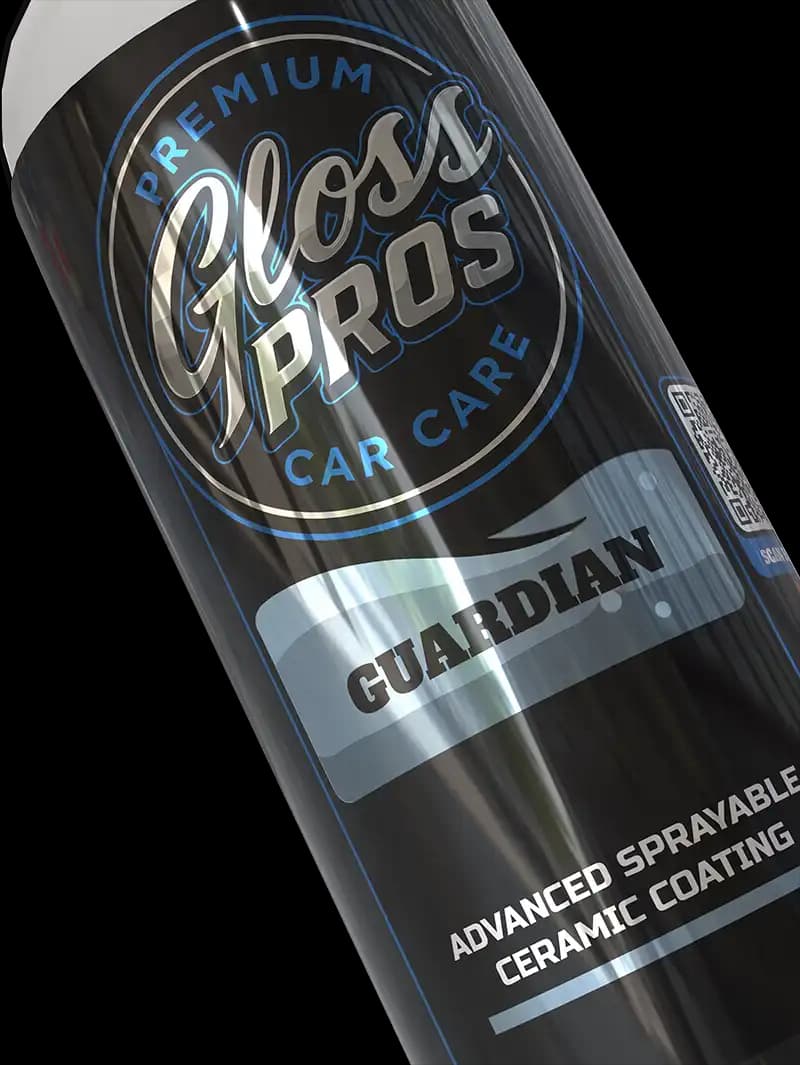
If your vehicle has a coating like Guardian, maintenance matters. The coating is the protection layer, but routine washing is what keeps that protection performing its best.

Your wheels should be cleaned almost every time you wash the car.
Brake dust is more than just ugly. It contains fine particles that can bond to wheel surfaces, especially when heat from braking is involved. The longer it sits, the harder it can be to remove.
A good wheel and tire cleaning routine keeps the whole vehicle looking better.
For most vehicles, clean the wheels every two to three weeks along with the rest of the car.
If you drive aggressively, tow, commute in heavy traffic, or have performance brakes that produce more dust, clean the wheels more often.
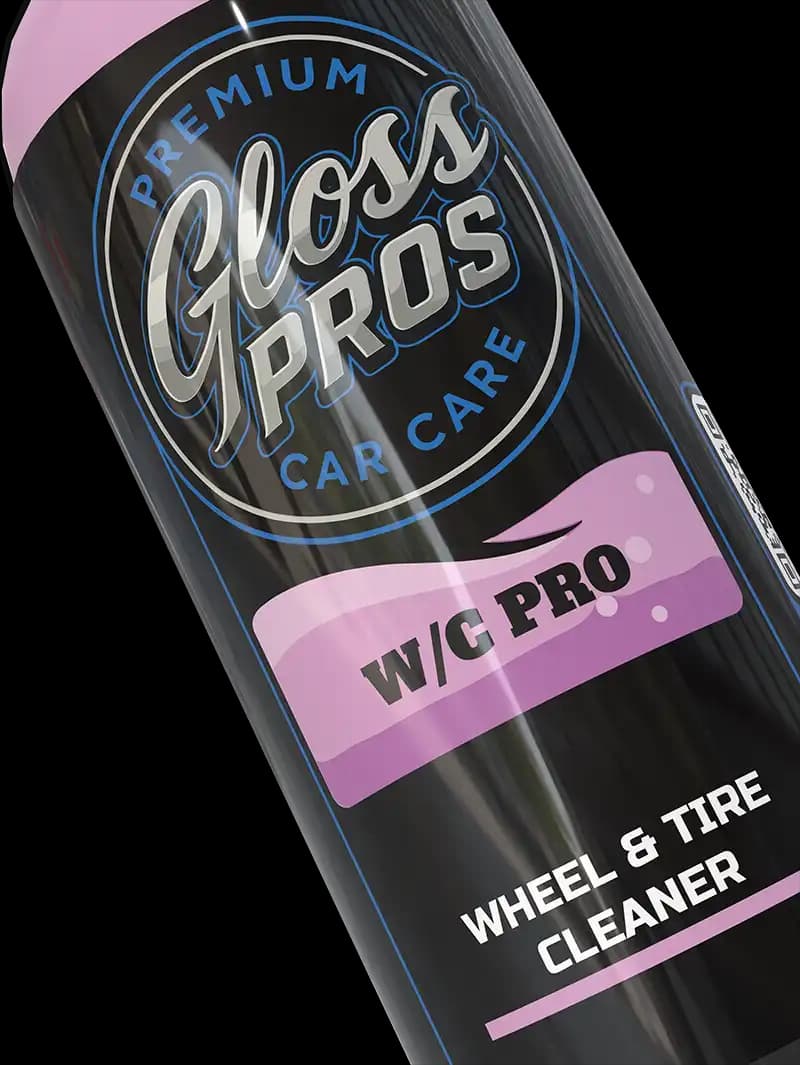
A non-acidic wheel and tire cleaner like Wc Pro is a strong choice for regular maintenance because it can break down grime and brake dust without relying on harsh acidic formulas.
You can wash your car every week if you are using proper technique.
Frequent washing is not usually what damages paint. Improper washing is.
Paint damage usually comes from:
If you use clean microfiber towels, a quality wash mitt, proper lubrication, and a pH-balanced soap, weekly washing is perfectly fine for most vehicles.
The key is to reduce friction. Dirt should be lifted away from the surface, not dragged across it.
Rain does not count as a car wash.
In fact, rain can leave behind minerals, dirt, and contaminants after the water dries. If your vehicle was already dusty, rain can turn that dust into a thin layer of grime.
After a light rain, you may not need a full wash immediately. But if the vehicle dries with spots, dirt trails, or visible film, it is worth cleaning soon.
This is especially true if the car was already dirty before it rained.
A protected surface will usually be easier to rinse and dry because water has a harder time sticking flat to the paint.
Your location should influence how often you wash your car.
Dust builds up quickly in dry, windy areas. The danger is not just the dust itself. The danger is wiping it off incorrectly.
If your vehicle is dusty, avoid dry wiping. Use a proper wash or a lubricated quick detail process depending on how dirty the vehicle is.
Salt air can be tough on vehicles. If you live near the ocean, regular washing helps remove salt and moisture that can accelerate corrosion and dull finishes.
Road salt and de-icing chemicals should be removed as soon as possible. In winter conditions, washing weekly or every other week may be necessary.
Sap, pollen, and bird droppings can build up fast. If you park under trees, inspect the paint often and remove fresh contaminants quickly.
Here is a simple maintenance schedule that works for most drivers.
Inspect the vehicle for bird droppings, sap, bug splatter, and heavy dust.
Remove anything that could stain or etch the paint.
Do a proper hand wash using a quality car shampoo like Lather.
Clean the wheels and tires.
Dry with clean microfiber towels.
Refresh protection with a spray sealant like Hydro.
Inspect plastic trim, rubber, glass, and high-contact areas.
Use a quick detailer like Iceman for light dust, fingerprints, smudges, or post-wash gloss enhancement.
Do not use a quick detailer as a replacement for a wash when the vehicle is heavily dirty.
So, how often should you wash your car?
For most daily drivers, every two to three weeks is the sweet spot.
If your vehicle is parked outside, exposed to harsh weather, driven hard, or covered in contaminants, wash it more often. If it is garage-kept and only driven occasionally, you can usually stretch the schedule longer.
The best routine is simple: wash before contaminants have time to bond, use safe products, and avoid dry wiping dirty paint.
A consistent maintenance wash with Lather, occasional protection from Hydro, light cleanup with Iceman, and regular wheel care with Wc Pro will keep your vehicle looking better and make every future wash easier.
No. Washing every week is fine if you use proper technique, clean towels, a quality wash mitt, and a pH-balanced car shampoo. Improper washing causes damage, not frequent washing by itself.
Most ceramic coated cars should still be washed every two to three weeks. Ceramic coatings make cleaning easier, but they do not prevent dirt, dust, pollen, or brake dust from building up.
Sometimes, yes. A vehicle can have road film, dust, pollen, or light contamination even when it does not look obviously dirty. If the paint feels rough, looks dull, or has visible film, it is time to wash.
A rinse can remove loose dirt, but it usually will not remove bonded grime, traffic film, bugs, or oily residue. A proper wash is still needed for real cleaning.
If your car is parked outside every day, washing every one to two weeks is a good routine. Outdoor vehicles collect more dust, pollen, bird droppings, sap, and mineral deposits than garage-kept vehicles.
Yes. Bird droppings should be removed as soon as possible. They can stain or etch paint, especially when baked in direct sunlight.


