


Products mentioned in this post
Quick links to the products we referenced above.
GPT
Gloss Pros Team
Gloss Pros is a premium car care brand focused on high-performance detailing products designed for enthusiasts and professionals.
Stay updated with the latest trends in car care, professional detailing techniques, product guides, and expert advice to achieve the perfect shine.

The deepest shine, effortlessly.
Quick links to the products we referenced above.
Gloss Pros is a premium car care brand focused on high-performance detailing products designed for enthusiasts and professionals.
Learn the full exterior car detailing process step-by-step. Wash, protect, and enhance your vehicle’s finish like a pro.
Most people wash their car.
Very few actually detail it.
The difference shows up in the finish. Streaks, water spots, dull paint, and faded trim all come from doing steps out of order or skipping protection entirely.
In this guide, we’ll walk through a true exterior detailing process. This is the same approach used by professionals to safely clean, restore, and protect your vehicle.

Wheels collect the heaviest contamination on your vehicle. Brake dust, grime, and road debris build up quickly and can easily spread to paint if you wash them last.
Start here every time.
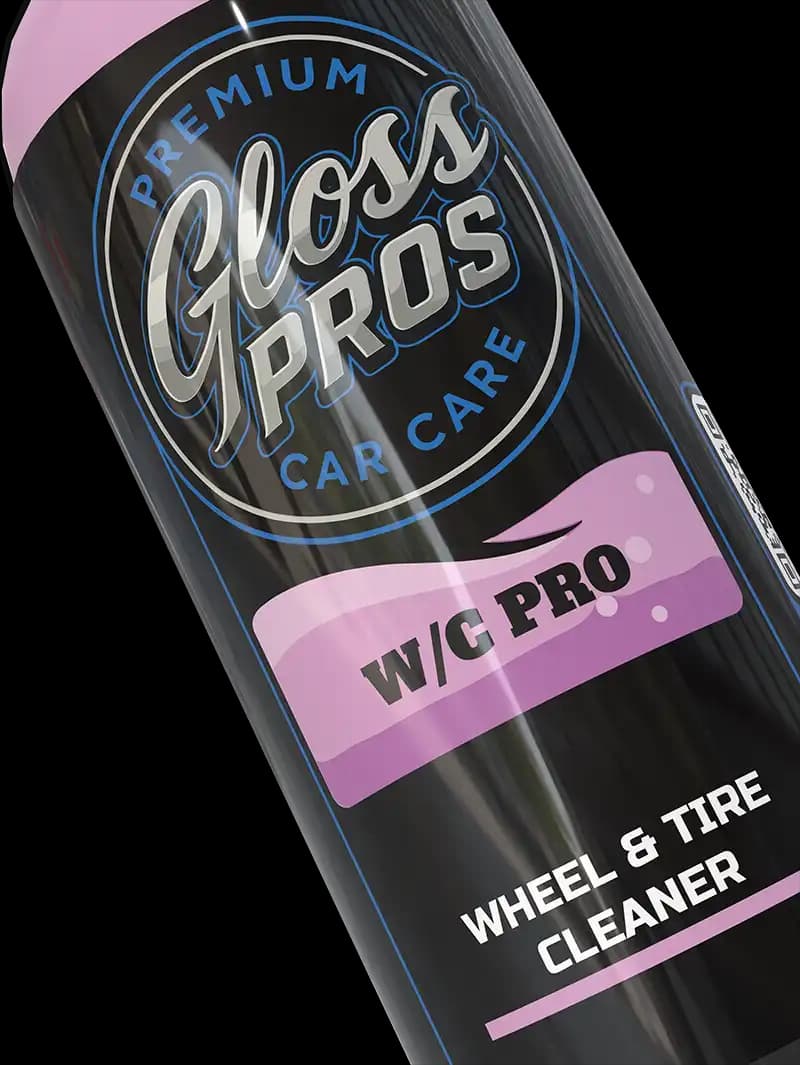
Use a dedicated cleaner like Wc Pro to break down buildup safely. Its high-foaming, non-acidic formula helps lift grime without damaging finishes.
Pro tip: Always use separate brushes and towels for wheels and paint.

This is where most swirl marks are created if done incorrectly.
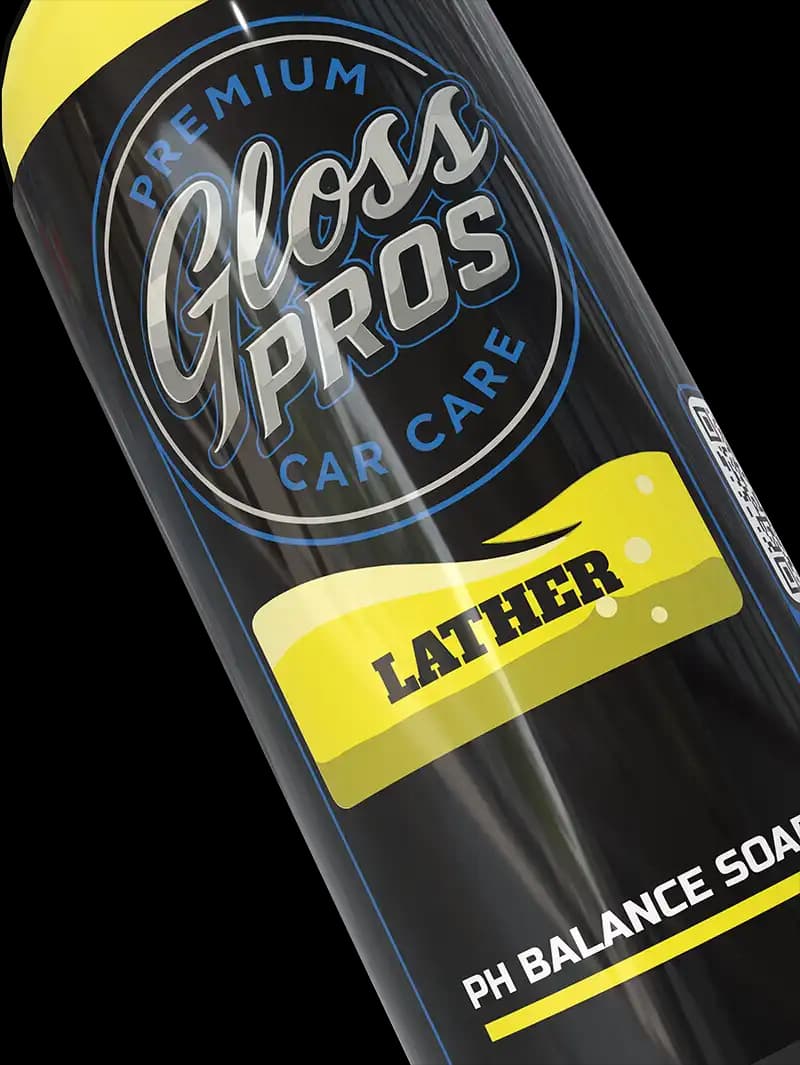
Use a pH-balanced soap like Lather to remove dirt while preserving existing protection. The goal is to clean the surface without stripping it.
Best practices:
A proper wash should leave the paint clean and ready for protection.

Drying is one of the most overlooked steps in detailing.
Dragging a low-quality towel across paint can undo all the work you just did. Use a high-quality microfiber drying towel and gently pull water off the surface.
At this stage, the paint should already feel clean and smooth.

If you want the biggest visual improvement in the least amount of time, this is it.
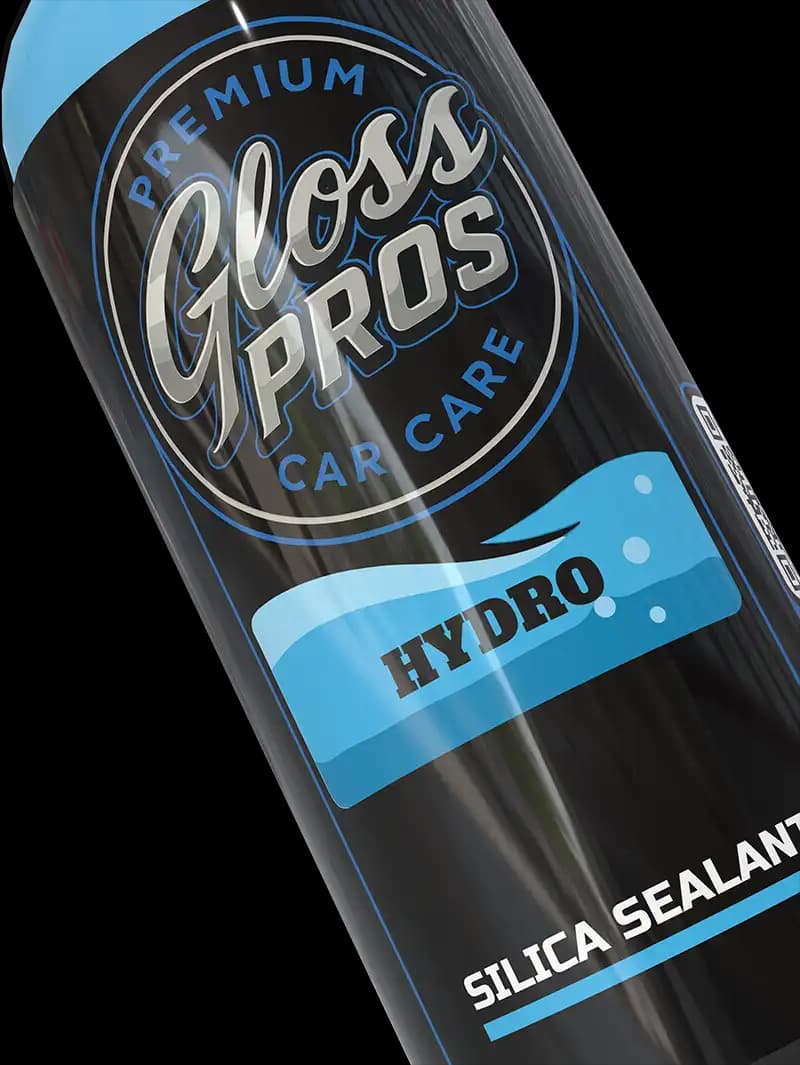
A spray-on, rinse-off sealant like Hydro adds gloss and hydrophobic protection in minutes. It can be used as a standalone layer or to boost existing coatings.
You’ll immediately notice:

Once the car is clean and protected, you can take the finish further.
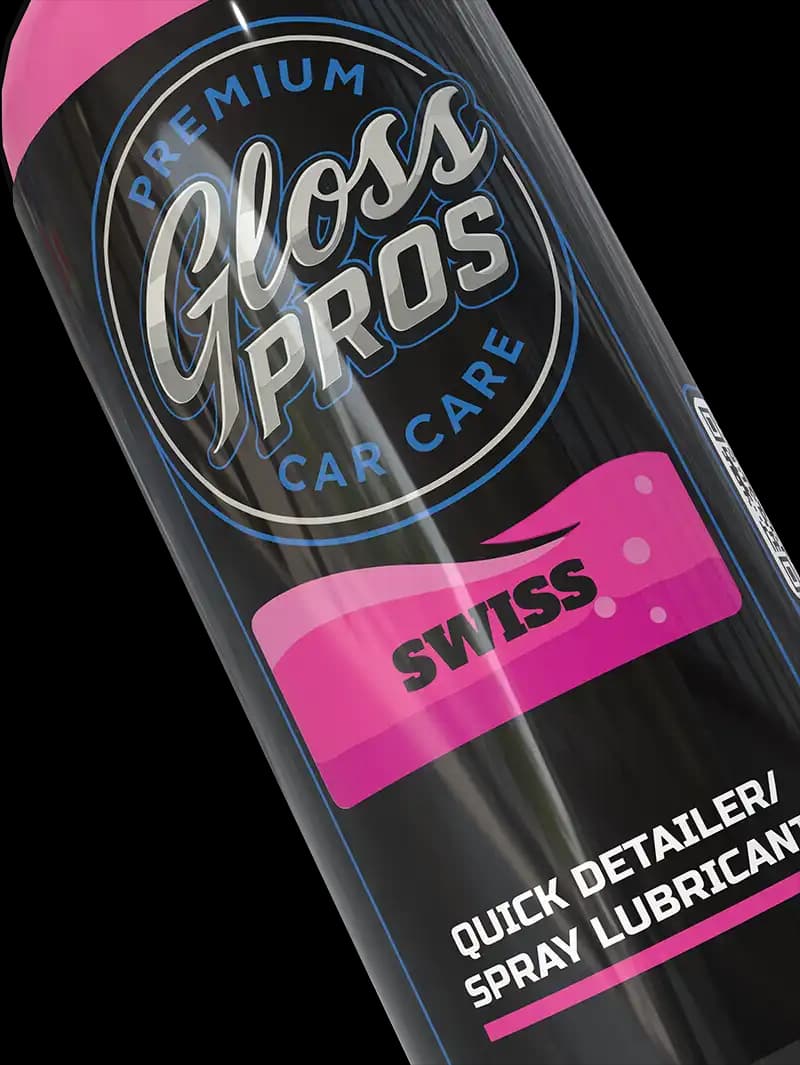
Use a quick detailer like Swiss to remove light dust, fingerprints, and smudges while maintaining a streak-free shine.
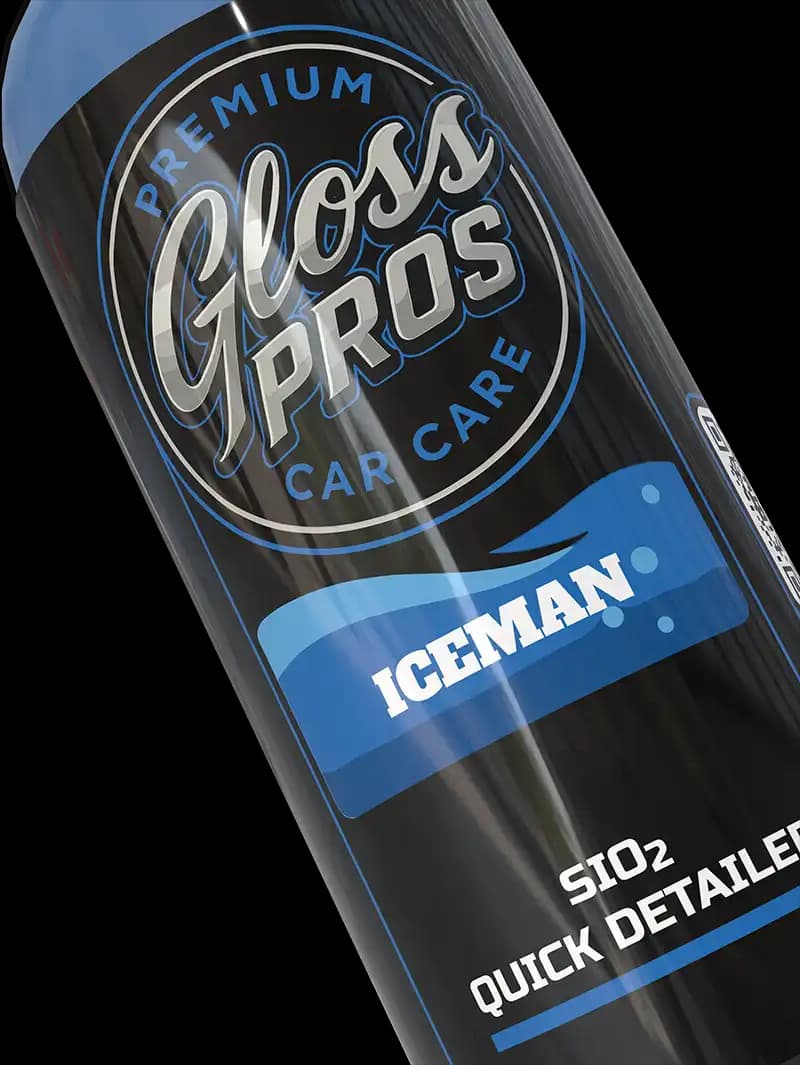
If you want added protection with that gloss, step up to Iceman. It enhances shine while adding a durable hydrophobic layer that lasts longer.
This step is what gives your paint that fresh, just-detailed look.

Faded trim can make even a clean car look neglected.
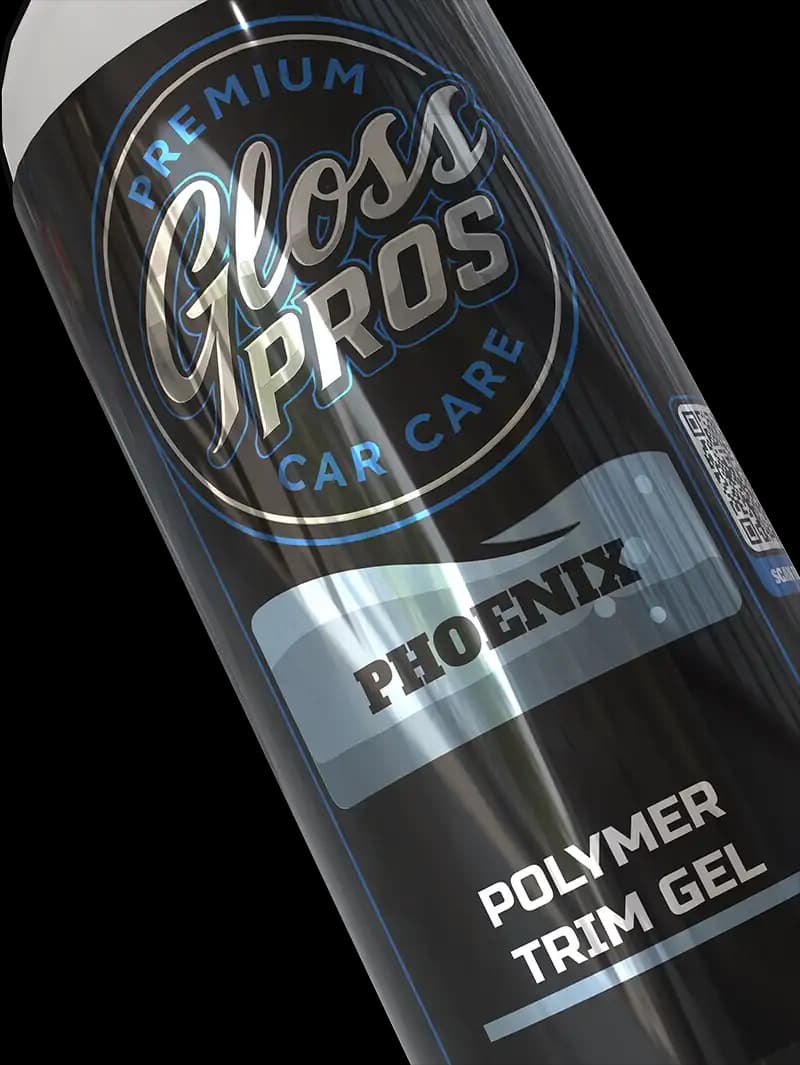
A trim restorer like Phoenix brings plastic, vinyl, and rubber back to life while adding UV protection and a hydrophobic barrier to prevent future fading.
This is one of the highest impact upgrades you can make visually.

Clean glass ties everything together.
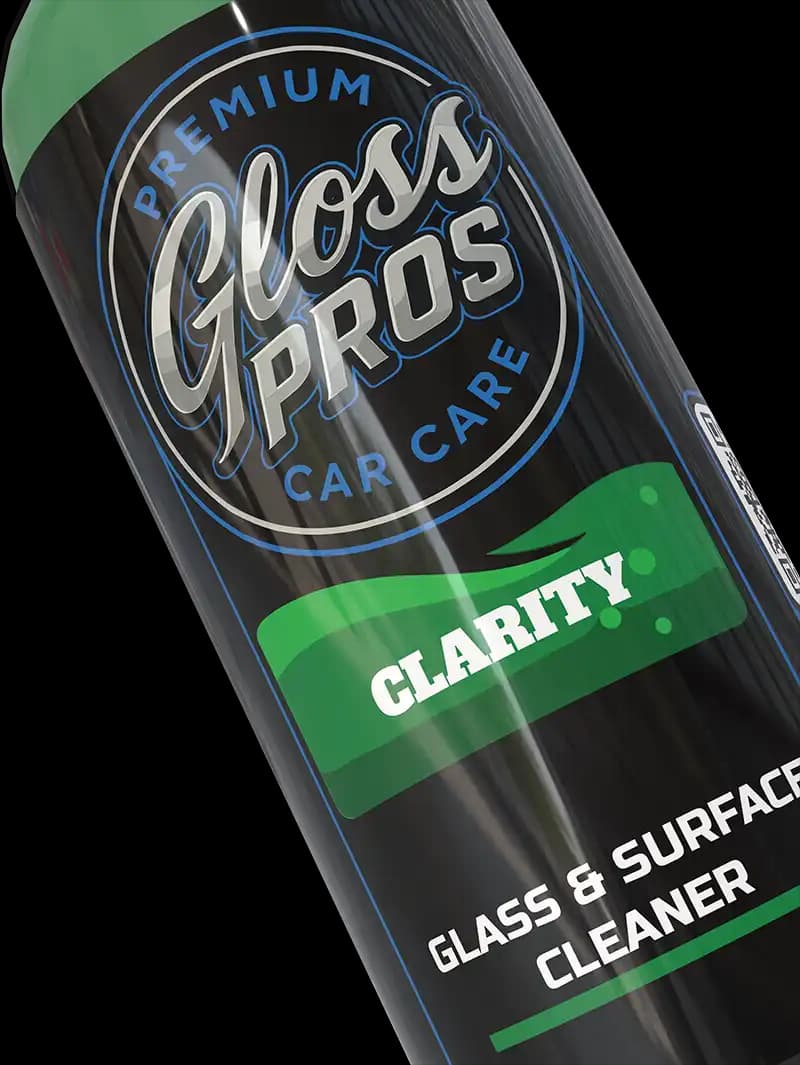
Use a streak-free cleaner like Clarity to remove smudges, residue, and buildup while leaving a crystal clear finish.
For best results:
Anyone can wash a car.
Following a system is what creates real results.
When you detail your vehicle properly, everything improves:
Once you follow this process, you’ll start to notice the difference immediately.
A full exterior detail like this can be done every 4 to 8 weeks depending on driving conditions. Maintenance washes can be done weekly.
No. The wash and dry steps are essential. Protection and finishing steps can be adjusted based on your goals and how much time you have.
Using the wrong order. Washing after cleaning wheels, skipping protection, or using low-quality towels are the most common issues.
It’s best to work in the shade whenever possible. Some products can be used in sunlight, but cooler surfaces will always give better results.
Detailing is not about working harder. It’s about working smarter.
Use the right process, use the right products, and your results will speak for themselves.


