

Products mentioned in this post
Quick links to the products we referenced above.
TB
Taylor Bourne
CTO at Gloss Pros and part of the team behind Gloss Pros premium car care products.
Stay updated with the latest trends in car care, professional detailing techniques, product guides, and expert advice to achieve the perfect shine.

The deepest shine, effortlessly.
Quick links to the products we referenced above.
CTO at Gloss Pros and part of the team behind Gloss Pros premium car care products.
Learn how to dry your car without scratching the paint. Follow this step-by-step guide to avoid swirl marks, use the right towels, and leave a streak-free finish.
Most people focus on the wash step when they think about preventing paint damage.
But the drying step is where a lot of swirl marks are actually created.
If you drag a towel across the surface with too much pressure, use the wrong type of towel, or dry a vehicle that still has contamination on it, you can leave behind the same light scratches and haze people blame on “bad paint” or “soft clear coat.”
The good news is that drying your car safely is not complicated. You just need the right process.
Here is how to dry your car without creating swirl marks.
Swirl marks happen when dirt or debris is dragged across the paint.
That can happen during washing, but it also happens during drying if:
A drying towel should absorb water, not scrub the surface.
The less friction you create, the safer the process becomes.
Before you start, make sure you have the right tools.
At minimum, you should have:
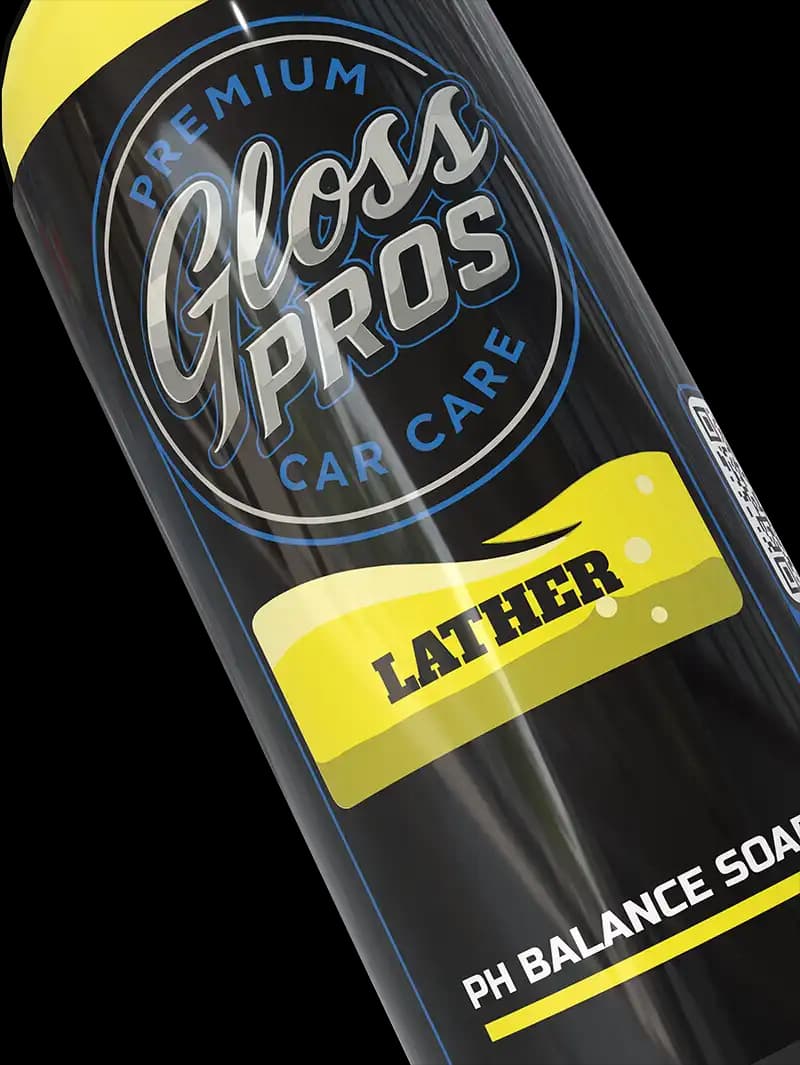
If the vehicle is being washed first, start with a proper maintenance soap like Lather. A clean surface always dries more safely than one that still has leftover grime or traffic film on it.
This sounds obvious, but it matters more than people think.
If dirt, grit, or bug residue is still on the paint, your drying towel can drag that contamination across the surface. At that point, the towel is no longer just removing water. It is acting like a very soft sanding tool.
Make sure the vehicle has been washed thoroughly and rinsed well before you ever touch the paint with a towel.
That means:
A safe drying routine starts with a properly washed car.
One of the easiest ways to reduce towel contact is to leave less water behind in the first place.
After washing, use a gentle final rinse and let water sheet off the panels. This works especially well on protected vehicles because water tends to run off more cleanly.
The idea is simple: the less standing water on the surface, the less work your drying towel has to do.
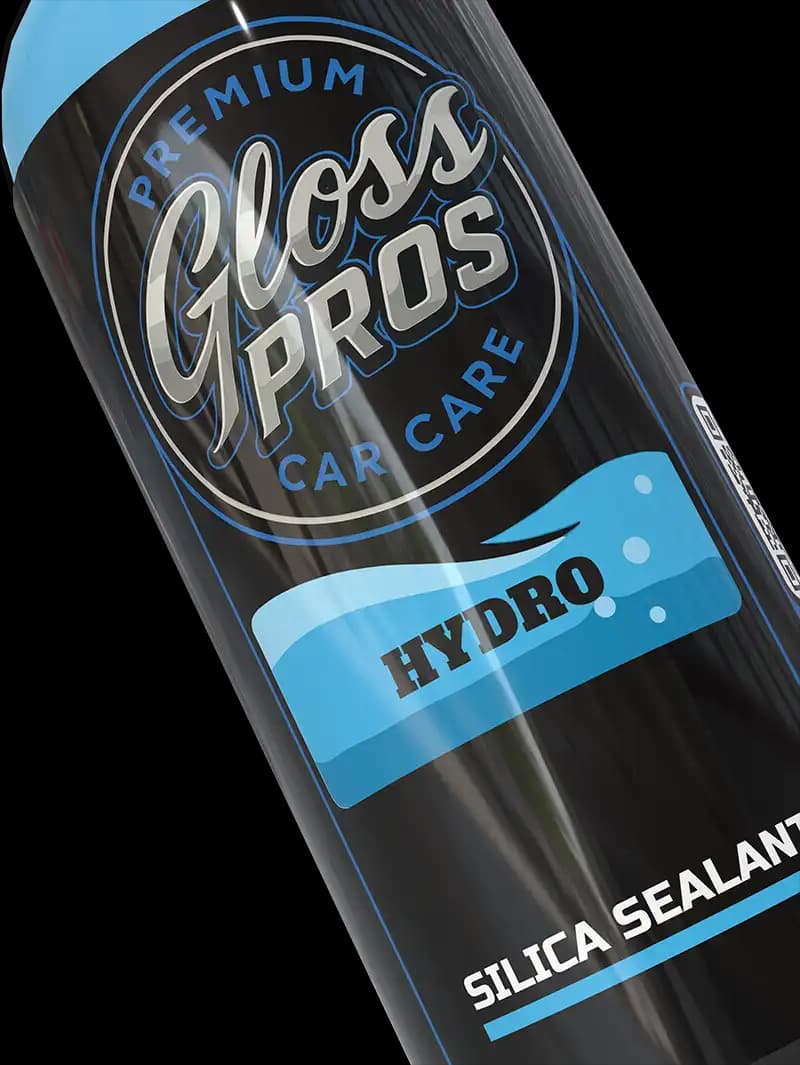
If the vehicle has some protection on it, this step becomes even easier. A rinse-on silica product like Hydro can help improve water behavior and make future drying faster by encouraging water to release from the paint more easily.

Not all towels are safe for drying paint.
A proper car drying towel should be:
Avoid using:
A quality microfiber drying towel is one of the best investments you can make in your wash routine. It reduces friction, absorbs more water, and helps you dry faster with fewer passes.
You should also keep your drying towel clean. Wash it separately from dirty utility towels whenever possible, and retire it from paint duty if it becomes rough, stained, or contaminated.
Once the surface is rinsed and you have the right towel, focus on technique.
The safest way to dry paint is to minimize pressure.
Instead of scrubbing, do one of these:
Lay the towel on the panel and gently pat or blot the surface dry.
This is especially safe on delicate finishes or darker paint colors that show marring easily.
Lay the towel flat and gently pull it across the panel in straight, controlled passes.
Let the towel absorb the water. Do not press down hard or “work” the panel the way you might with polish or wax.
The towel should glide. If you feel yourself pushing, stop and lighten up.
A simple rule is this: if the towel is doing its job, you should not need much effort.

Just like the wash process, it helps to dry the vehicle from the top down.
Start with:
Even after washing, lower sections of the vehicle tend to be the areas most likely to hold leftover grime or heavier water runoff. Saving them for last helps reduce the chances of carrying anything back onto cleaner upper surfaces.
If your towel becomes saturated, switch to a second clean towel rather than forcing one towel to do the whole job poorly.
Some areas of the vehicle trap water no matter how good your towel is.
That includes:
If you skip these areas, water often drips out later and leaves streaks down freshly dried paint.
A blower, dedicated car dryer, or even careful compressed air use can help push trapped water out of these tight spaces without adding friction.
This is one of the safest ways to finish a drying job because air removes water without touching the paint at all.

A drying aid can add lubrication and reduce friction during your final wipe-down.
This can be especially helpful if:
A quick detail spray can help the towel move more smoothly across the paint while leaving the finish looking cleaner and more refined.
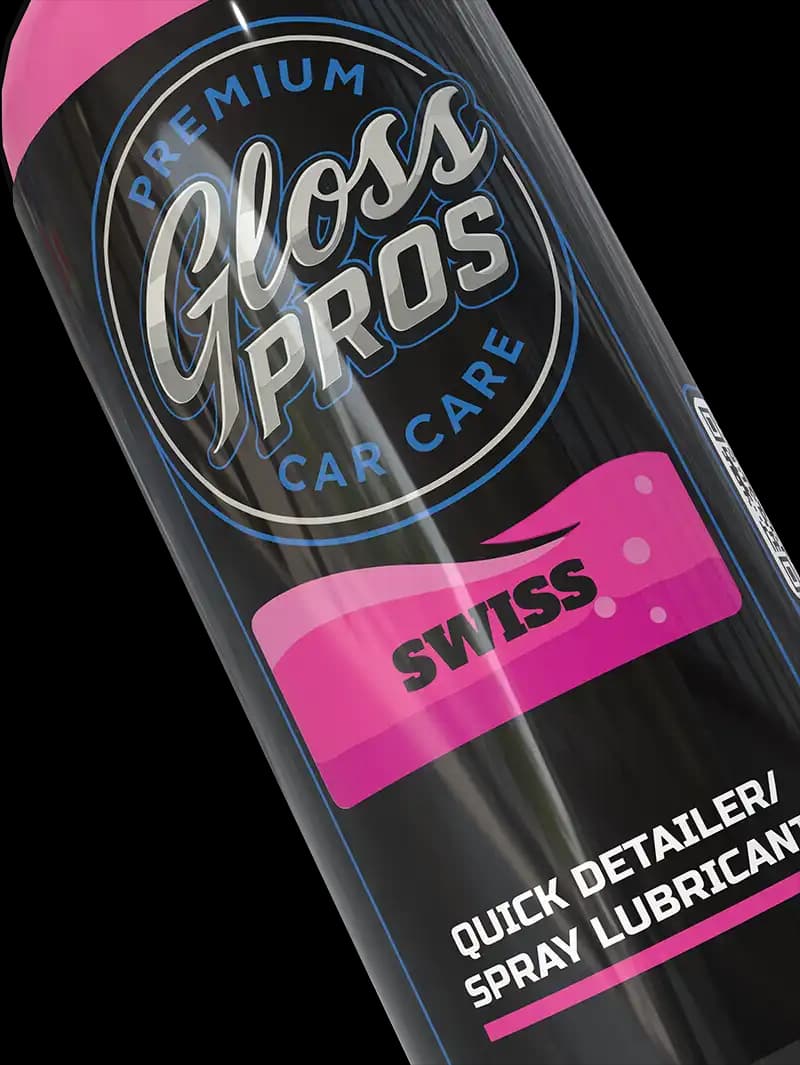
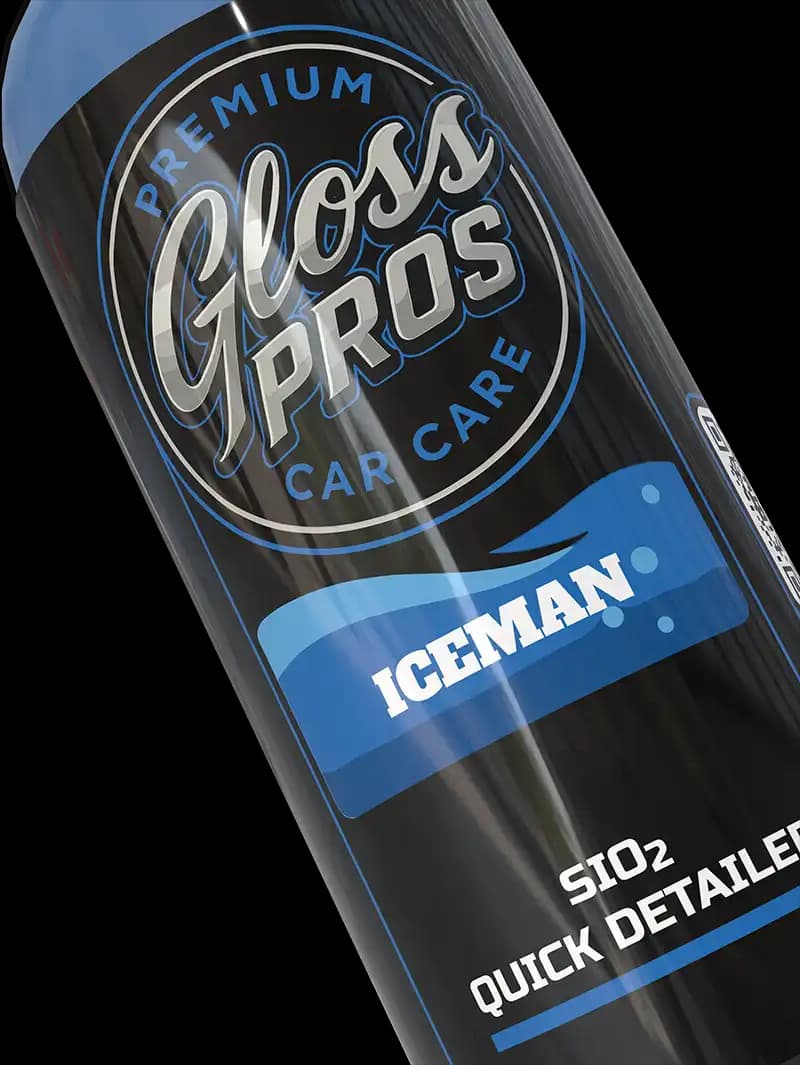
For light final touch-ups, Swiss is a versatile option because it is a quick detailer and spray lubricant. If you want added gloss and SiO₂-based protection during maintenance, Iceman also fits nicely into a post-wash routine.
The important thing is to use these as lubrication and refinement tools on a clean vehicle, not as a substitute for washing a dirty one.
If you want to avoid marring, avoid these common mistakes:
Even a premium towel becomes unsafe if it is contaminated.
Drying should be gentle. Pressure increases friction and makes scratches more likely.
Sun and heat can cause water to evaporate too quickly, leaving minerals behind and forcing you to wipe harder.
Do not use the same towel on paint, wheels, jambs, and dirty lower panels.
If you do not blow out mirrors, trim, and crevices, water can drip later and leave streaks.
Drying is not the time to “finish cleaning” the paint. If the vehicle is still dirty, wash it again.
Water spots and swirl marks often show up together because they both come from poor drying habits.
To reduce water spots:
Protection also helps. A hydrophobic surface sheds water more easily, which means fewer large puddles sitting on the panels during drying.
If you want to dry your car without creating swirl marks, focus on three things:
Drying should be a controlled finishing step, not a rushed cleanup.
A solid wash with Lather, easier water release from Hydro, and light post-wash refinement using Swiss or Iceman can make a big difference in how safely and efficiently you maintain your finish.
The cleaner the car, the better the towel, and the gentler the technique, the better your paint will look over time.
The best way is to start with a clean vehicle, sheet water off the surface during the final rinse, then use a clean microfiber drying towel with very light pressure. Forced air also helps with mirrors, trim, and crevices.
Yes. If you use a dirty towel, apply too much pressure, or dry a vehicle that still has contamination on the surface, you can create swirl marks during the drying step.
Most enthusiasts today prefer high-quality microfiber drying towels because they tend to be safer, softer, and more forgiving on modern paint.
Blotting is generally the safest method because it minimizes movement across the paint. A gentle glide with a quality towel also works well if the surface is clean and you use very light pressure.
It is better to avoid direct sunlight when possible. Heat can cause water to evaporate too quickly, which increases the chance of water spots and makes drying harder.
Using forced air around mirrors, emblems, trim, and panel gaps helps remove trapped water that would otherwise drip out later.


