


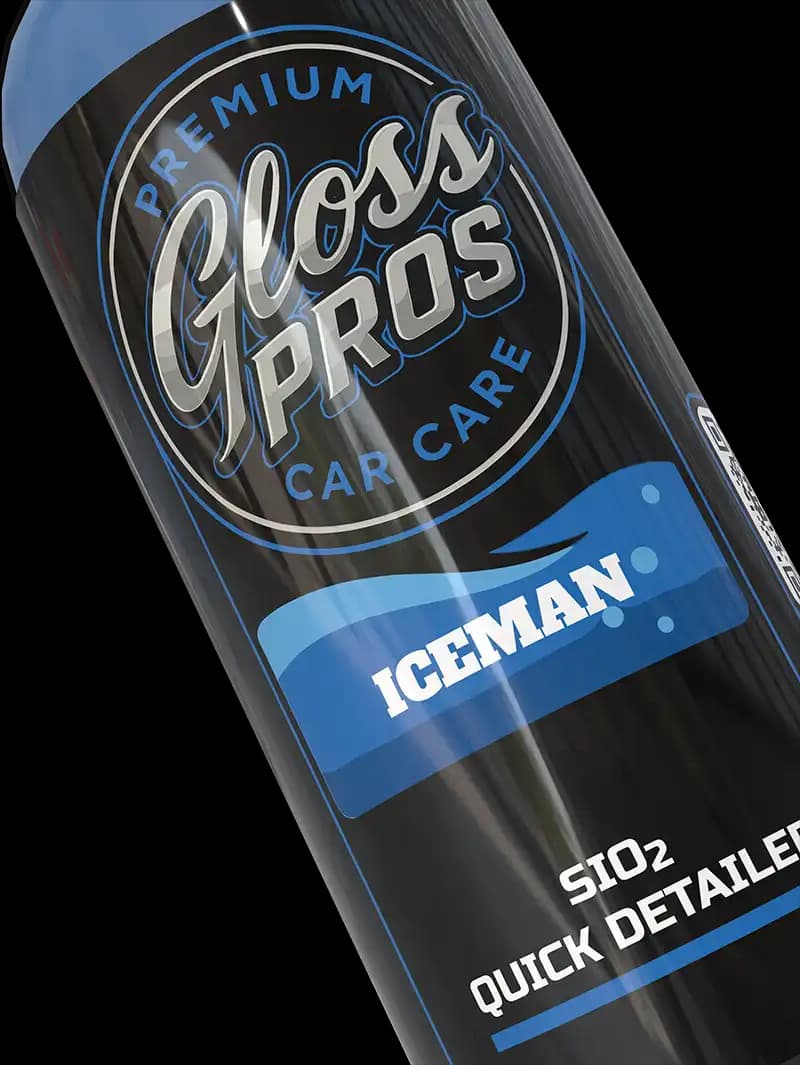
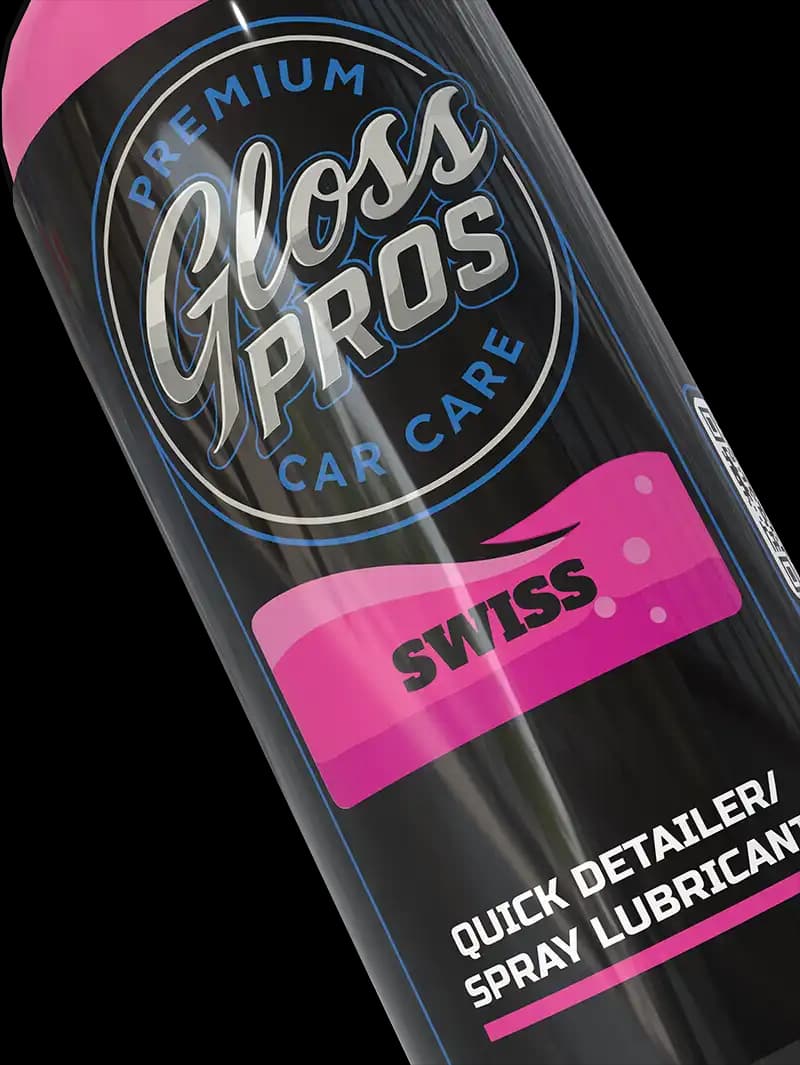
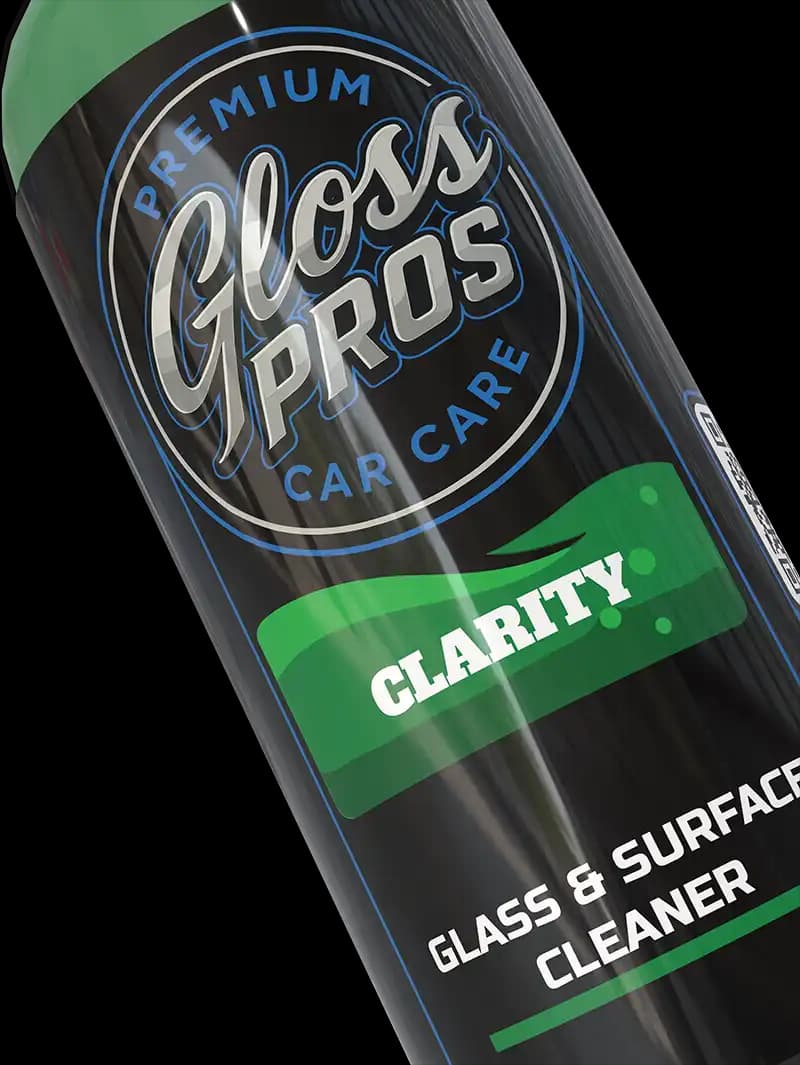
Products mentioned in this post
Quick links to the products we referenced above.
TB
Taylor Bourne
CTO at Gloss Pros and part of the team behind Gloss Pros premium car care products.
Stay updated with the latest trends in car care, professional detailing techniques, product guides, and expert advice to achieve the perfect shine.

The deepest shine, effortlessly.
Quick links to the products we referenced above.
CTO at Gloss Pros and part of the team behind Gloss Pros premium car care products.
Learn how to restore faded black trim on plastic, vinyl, and rubber without leaving a greasy finish. Step-by-step prep, application, and aftercare.
Faded black trim can make a clean vehicle look older than it really is. You can wash the paint, clean the glass, and dress the tires, but if the trim is chalky, gray, or dried out, the whole vehicle still looks tired.
The goal is not to make trim look wet for a day. The goal is to bring back depth and color so the trim looks clean, dark, and properly finished.
In this guide, we will cover how to restore faded black trim on a car, what causes trim to fade, how to avoid blotchy results, and how to get a dark, even finish on plastic, vinyl, and rubber without the greasy look that gives a lot of trim products a bad reputation.

Exterior trim takes constant abuse from UV rays, heat, washing, road grime, and weather. Over time, that exposure dries the surface out and leaves black trim looking dull, patchy, and gray.
This is especially obvious on:
Once trim starts fading, it can make the rest of the detail feel unfinished even when the paint looks great. Clean paint next to chalky trim is one of the fastest ways to make a vehicle look older than it is.
A lot of people are not actually unhappy with trim restoration itself. They are unhappy with the finish left behind by the wrong product or the wrong technique.
Most greasy-looking trim comes from one of these issues:
If you want trim to look restored instead of just wet, prep and application matter.
Keep it simple:
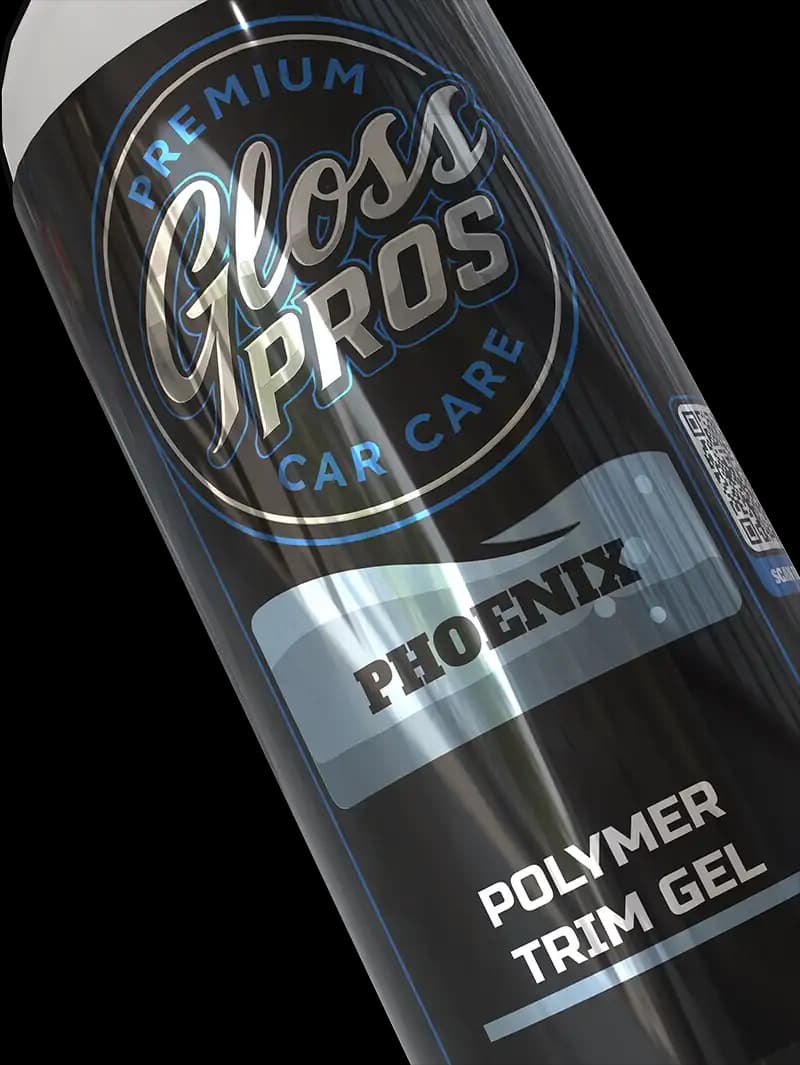
For this job, Phoenix is built specifically for plastic, vinyl, and rubber surfaces. It is designed to restore and protect trim while helping defend against fading and adding a hydrophobic layer that makes water less likely to sit on the surface.

If you want to see the process before reading each step, watch the short PHOENIX demo below.
Do not apply trim product over dust, road film, or old residue. Start by washing the vehicle thoroughly so you are working on a clean surface.
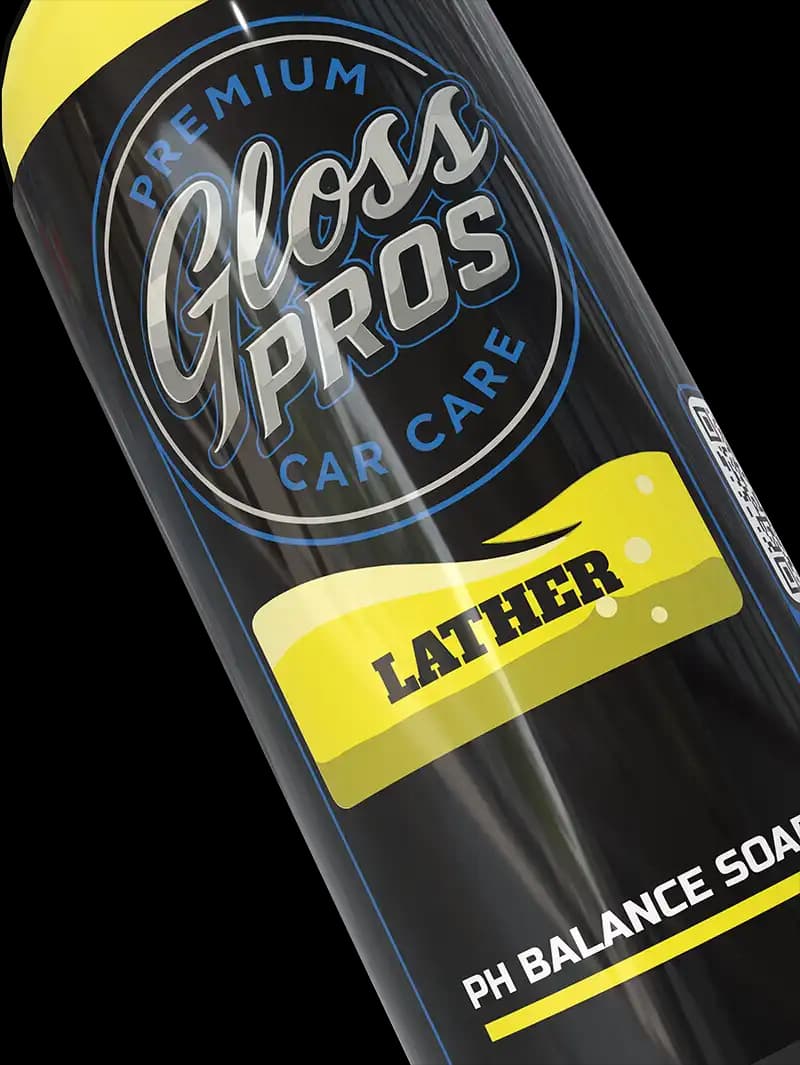
If the trim is still dirty, you will usually end up smearing contamination around or trapping grime under the finish. A proper wash with Lather is the right starting point before moving into trim restoration.
Trim restoration products work best on a clean, dry surface. Water hiding in seams, texture, or edges can dilute the product and cause uneven coverage.
Before you apply anything, make sure the trim is fully dry.
Instead of loading the trim up directly, apply the product to a microfiber applicator first. That gives you more control and helps spread the product evenly across textured surfaces.
With Phoenix, apply a generous amount to the applicator, then work it evenly over the trim in circular motions.

You do not need a long dwell time here. Give the product a short moment to settle into the surface.
A good working method with Phoenix is to let it sit for about 60 seconds before wiping away any excess.
This is the step that helps separate a rich, restored finish from an oily one. It is also the step people skip most often.
After the product has had a moment to sit, wipe away any excess with a clean microfiber towel. That levels the finish, removes residue, and helps the trim look darker and more even instead of shiny in a greasy way.

A trim restorer is useful anywhere the vehicle has faded plastic, vinyl, or rubber trim. Common areas include:
If the surface looks dry and faded, it is a likely candidate.
More product does not always mean better restoration. Overapplying usually creates uneven dark spots and excess residue.
Trim restoration starts with a clean surface. Dirt and leftover dressing can ruin the final look.
This is one of the biggest reasons trim ends up looking greasy.
Different plastics age differently. Some pieces restore quickly. Others may need a more careful second pass for a uniform look.
If your goal is a deep black finish that looks restored instead of artificially glossy, keep these points in mind:
This is especially important on textured trim, where extra product can hide until direct light exposes it.
Yes. Phoenix is formulated for plastic, vinyl, and rubber surfaces, which makes it useful across many of the common faded trim areas on a vehicle.
That flexibility is helpful when you are trying to improve the overall look of the exterior in one session instead of reaching for a separate product for every material.
Restoring trim works even better when the rest of the vehicle is cleaned up at the same time.
A simple workflow looks like this:
That kind of full walkaround detail makes the trim restoration stand out even more because the rest of the vehicle looks just as dialed in. Trim does not live in a vacuum. It always looks better when the paint, glass, and wheels match the same level of care.
The best way to restore faded black trim is to start with a clean, dry surface, apply a dedicated trim restorer evenly with an applicator, let it sit briefly, and then wipe away any excess. That gives you a darker, more even finish without leaving heavy residue behind.
Black plastic trim usually turns gray because of long-term exposure to UV rays, heat, weather, washing, and road grime. Over time, the surface dries out and loses the rich, dark look it had when new.
Use the right amount of product, apply it evenly, and always wipe off the excess after a short dwell time. Greasy trim is often caused by overapplication or by leaving too much product sitting on the surface.
Yes. Phoenix is formulated for plastic, vinyl, and rubber surfaces, which makes it a good fit for many common exterior trim pieces around the vehicle.
You usually only need a short dwell time. With Phoenix, a practical method is to let it sit for about 60 seconds before wiping away any excess with a clean microfiber towel.
Yes. Applying trim product over dirt, road film, or leftover residue usually leads to uneven results. Washing first with Lather helps create a clean foundation before restoration.
Trim restorer is commonly used on mirror bases, cowl panels, bumper inserts, lower cladding, plastic step surfaces, rubber trim, and other faded plastic, vinyl, or rubber exterior surfaces.
If you want to restore faded black trim on a car, the biggest keys are simple: clean the surface, apply evenly, let the product sit briefly, and wipe away the excess.
That is how you get trim that looks darker, richer, and more finished without the greasy look that turns people off.
If you want a trim restoration product built for plastic, vinyl, and rubber, Phoenix is designed to restore and protect trim while helping defend against fading and water spotting.
When the trim looks right, the whole vehicle looks newer. It is one of the simplest upgrades you can make to the overall look of an exterior detail.


